What Strive Is Focused on in 2026
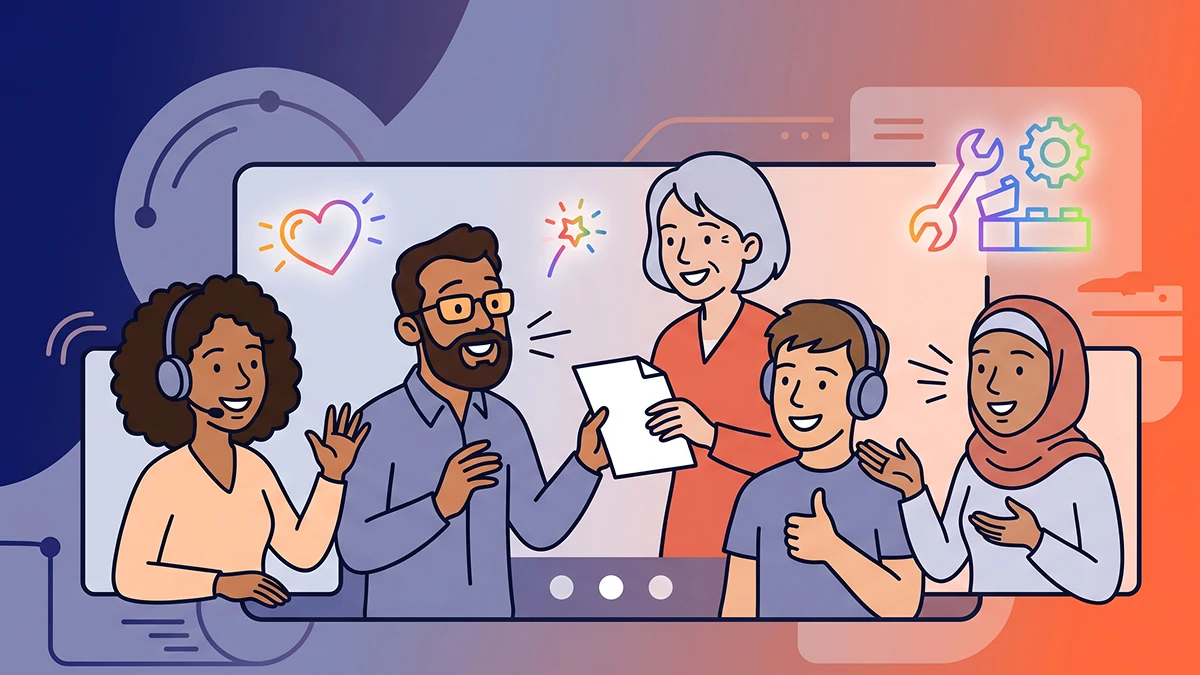
At startups, the start of a new year carries equal parts optimism and uncertainty. Plans made in January tend to look different by March. Pivots happen, priorities shift, and the direction you thought was obvious in week one gets complicated by week eight. That's not a failure of planning — it's what happens when an organisation is actually paying attention.
But as Strive heads into 2026, a few things stay fixed. They've been fixed every year. And they're worth naming plainly.
Human Connection
The most important thing Strive will not compromise on is human connection in learning. AI can generate practice problems, explain a concept three different ways, or surface a pattern in how a student is making mistakes. These are genuinely useful capabilities, and we're building with them.
But a teacher can tell the difference between a student who doesn't understand something and a student who understands but is having a bad day. A teacher can adjust their tone in real time, notice when enthusiasm is dropping before the student can articulate why, and make a student feel seen in a way that changes what that student is willing to try.
Every Strive student works with a real teacher. The experience is personal, not just personalised. That distinction matters more, not less, as AI becomes more capable.
Joy
Joy sounds like a soft word. It functions as a hard constraint.
Learning that doesn't feel worth doing doesn't continue. Students who dread their sessions find ways to avoid them, disengage, and eventually stop progressing regardless of how good the underlying curriculum is. Students who look forward to class show up ready to engage with hard things.
In Strive's Coding and Math programmes, joy tends to come from creation. When a student runs a programme they wrote and it does something genuinely interesting — draws a pattern they designed, simulates a system they were curious about, beats a score they'd set — the excitement is immediate. That spark is what brings them back the following week and makes them go further than they planned.
Internally, Strive is making 2026 the most deliberately joyful year of work yet. Not as a benefit or a cultural perk, but as a principle: joyful teams build better things for families. The two are not separate.
Building Tools That Make Education More Effective
Every tool Strive builds starts with one question: will this make learning more effective? Not: is this technically impressive? Not: does this look good in a demo? The bar is whether it makes a real difference to what happens between a teacher and a student.
AI has opened genuine possibilities for education — for teachers to do more within a session, for parents to stay more connected to their child's learning, for students to get specific feedback faster. Strive is building tools that use those possibilities clearly and practically, without the complexity that usually comes with new technology entering education.
We can't share details yet, but there are things coming in 2026 that we're genuinely excited about.
What Stays True
Strive was built around the belief that the most important thing in a child's education is the relationship between the student and the teacher, and that everything else should serve that relationship. That belief is not going anywhere.
The schools and programmes that will serve children best as AI continues to develop are the ones using new tools to strengthen human connection, not replace it. That's the direction Strive is building in — and has always been building in.
If your child is starting their coding journey, Strive Coding is the place to begin. For a math programme that builds genuine confidence alongside real capability, take a look at Strive Math.